Posts Tagged ‘Ramadan’

Ash Wednesday – Lent

February 17, 2026

As I write this, I am conscious that my calendar announces that today is the beginning of Ramadan, the time of fasting observed by Muslims. From today practicing Muslims will not consume food or drink between sunrise and sunset. This may mean rising at 4am for breakfast and then eating and drinking nothing until 8pm. I know this because my visit to Israel in 2015 coincided with Ramadan. In Old Jerusalem a canon was fired to indicate the beginning of and the end of the fast and the empty streets in the Palestinian districts filled with food carts only. after 8pm. Ramadan and its concluding celebration of Eid are now well-known in the Western world. The ABC news site has even published recipes for Ramadan. In my childhood, newspapers and magazines would. have featured recipes for Lent. Today Ash Wednesday and Lent do not even warrant a mention on my calendar!
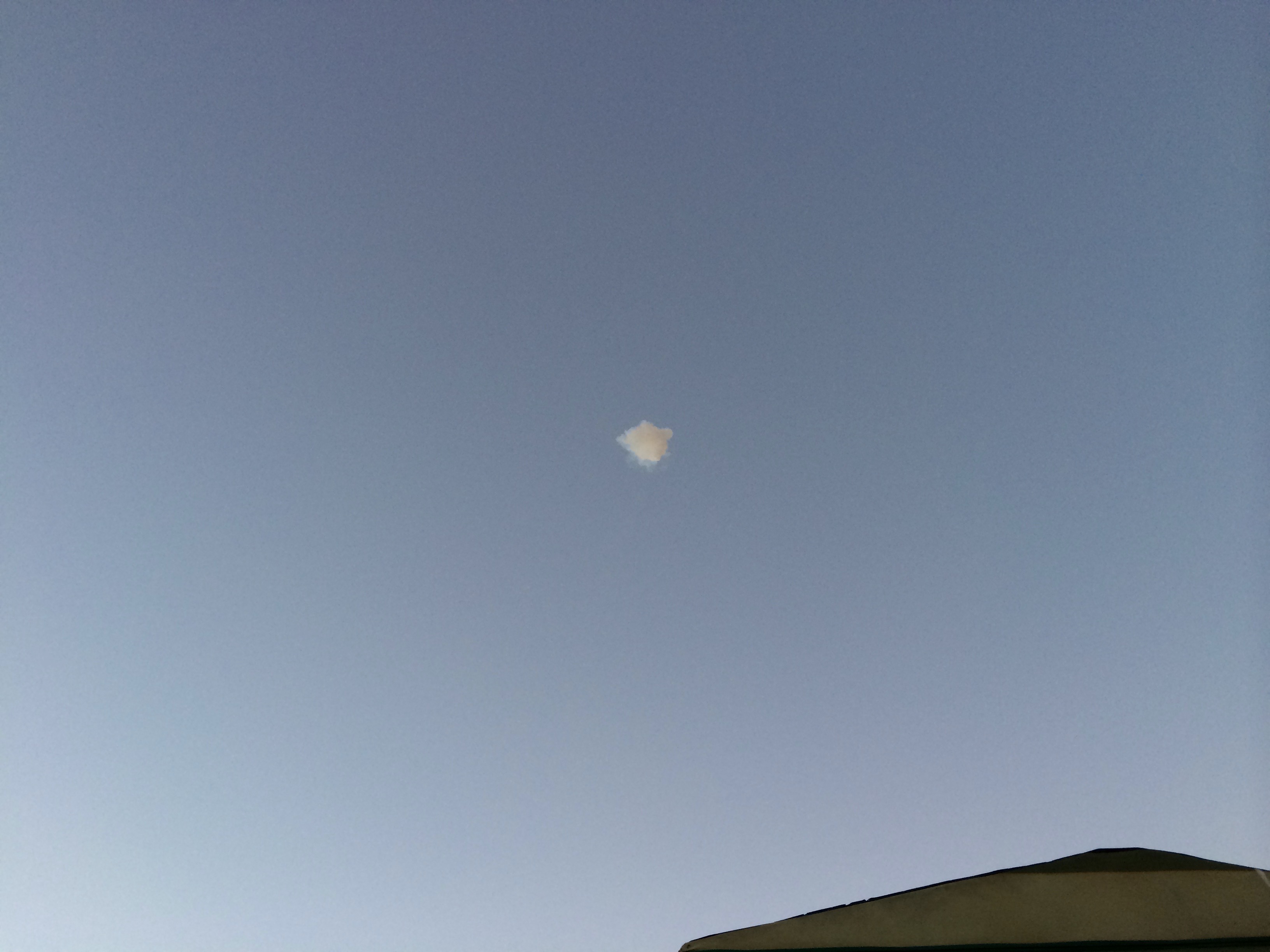
Image of smoke from canon. Jerusalem 2015

Culturally Lent has become irrelevant and in the churches we seem to have lost the sense of solidarity that came with giving something up for Lent. This is due in part to the increasing secularisation of our society, but also relates to a more relaxed attitude in the church and the trivialising of the practice by making it a test of will-power rather than a freedom to focus on God and not on oneself.

I don’t have a solution, just a sense of grief that the traditions which enriched our faith and which were evident to the culture around us seem to have lost their place and we haven’t yet found something which unites us as followers of Christ.

The purpose of fasting is to pare down our lives to what is essential such that we can pay attention to God’s provision and can fully appreciate what we do have. We try to give up those things that prevent us from focussing on God. This might include meal plans that are less extravagant and easier to prepare – freeing us from the distraction that food can be in our lives. Equally, it might be useful to give up the self-absorption that reveals itself in resentment, self-pity, envy, ingratitude. If instead we practice gratitude and forgiveness, joy in other’s successes, we will (over time), rid ourselves of the negativity and bitterness that cause us to look inward rather than outward into the world and into God’s creation. We will make room for God and the fruits of the Spirit – love, joy, peace, patience, kindness, generosity, faithfulness, gentleness, and self-control – will be evident in our lives and be visible to the world.
A quiet observance

February 10, 2016

Ash Wednesday

Matthew 6:1-8,14-18

Marian Free


In the name of God who created us and who, with our consent, continues to recreate us. Amen.

Jerusalem - Ramadan

Canon fire to mark end of fasting.

In 2015, we were in Jerusalem during Ramadan. Two things stood out, one was the fact that it was not until 8:00pm that the streets came alive. Food vendors who had been there for most of the day suddenly became busy as Palestinians came out to eat. The second was the canon (yes, canon) that helpfully fired at 4:00am to remind people that the time to fast had begun and again at 8:00pm to indicate that the fast had ended. Our Palestinian driver was observing Ramadan and while we Westerners ate lunch, he sat in the bus eating nothing.

One of the most challenging things about being in a largely Muslim country is the observance of faith. Five times a day the Muezzin gives the call to prayer – a haunting chant that floats overhead reminding the observant to stop what they are doing and offer worship to God. Five times a day faithful Muslims unroll their prayer mats and in full view of the world make their obeisance. For myself the call to prayer is a powerful reminder of the presence of God in every aspect of life, further, it always seems to me that such a public proclamation is an indictment of the Christian world whose faith is practiced behind closed door. (We might ring bells before services, but today few churches ring the Angelus.)

I think that it would be fair to say that in today’s secular world, more people know about Ramadan than they do about Lent. The reason for this can be placed directly at our door. If our observance is lack-lustre or non-existent, there is no reason for others to ask what we are doing and why. If we ourselves are not prepared to demonstrate that it is possible to go without for a short time or that it is necessary to hone our spiritual practices, how can we possibly confront the materialism and secularism of the world around us?

That does not mean that we should fast loudly and blatantly. It certainly doesn’t mean that we should go about with long faces so that everyone is able to notice how much we are suffering for our faith. Just the opposite – our practice of Lent should be quiet and unobtrusive. If our abstinence or our practice is noticed by others, we can say, without fanfare, something like: “Oh, this is just something that I am doing for Lent.” It is just possible that this will lead to further questions about why we do such things in Lent and give us opportunities to expand on the benefits of devoting a period of time to being less self-obsessed.

It is possible too that some will find our Lenten practice disquieting and confronting. Some people may feel uncomfortable around us if they are being extravagant and we are being economic, if they are feasting and we are fasting. Hopefully their disquiet may lead to further thought and questions (just as the Muezzin confronts my failure to display my faith more publicly).

Either way, without trumpeting our self-righteousness or proclaiming our self-discipline, an observance of Lent by more than just a few of us, may just enable the secular world to understand that we take our faith seriously, that our practice of the faith is more than just outward form and that God as known through Jesus Christ is indeed a very real presence in the world.

Let this be a year in which we take our practice seriously and in which our observance of Lent contributes to the knowledge of God in the world.